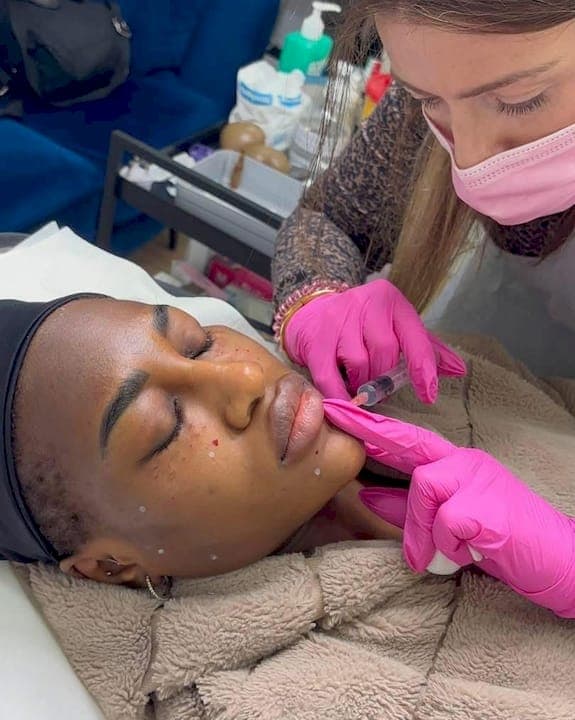
Many people searching for an aesthetics diploma in Ireland assume it covers everything from facials to injectables. It does not. The term ‘aesthetics diploma’ actually spans two very different worlds: beauty-based vocational qualifications and medical aesthetics training ie fillers etc, and confusing the two can send your career in entirely the wrong direction. Whether you are a salon owner looking to expand your services, a nurse considering a career pivot, or someone starting fresh, understanding which pathway suits your background is the single most important decision you will make. This guide breaks down what each qualification covers, who regulates them, and what real career outcomes look like.
Table of Contents
Key Takeaways
| Point | Details |
|---|---|
| Aesthetics diploma focus | Irish diplomas are mainly for advanced beauty/aesthetic treatments, not injectables. This is why we set up Pro Training Aesthetics Academy, so we could supply the irish students with a way to get into fillers & injectables whether they are medics or not |
| Medical vs beauty routes | You dont have to be a medical professional to train in injectables |
| Entry & recognition | Start with our introduction courses, these are pathways into the world of Aesthetics with internationally recognised accreditations. |
| Career doors opened | Diploma holders are highly employable in salons, spas and can launch business ventures. |
| Progress with support | Choose courses with 1-1 hands-on practice, strong support, and real progression pathways. |
Defining an aesthetics diploma in Ireland
In Ireland, the phrase ‘aesthetics diploma’ most commonly refers to formal, vocational beauty qualifications rather than medical training. A typical aesthetics diploma covers advanced beauty aesthetics like IPL, skin needling, and body treatments.
Medical aesthetics, on the other hand, is an entirely separate category. Treatments like threads, injectables and dermal fillers are seen as medical aestheitcs. We offer internationally accredited training in both
Here is a quick comparison of our courses to make the distinction clear:
| Feature | Beauty aesthetics diploma | Medical aesthetics training |
|---|---|---|
| Entry requirement | None | None |
| Duration | 1 to 2 days (CPD short coiurses) | 1 to 2 days (CPD short courses) |
| Treatments covered | IPL, skin needling, facials, body treatments | Injectables, dermal fillers, skin boosters |
| Accreditation | CPD Internationally accredited | CPD Internationally accredited |
| Injectables included | We tailor make packages for each student | Yes |
Understanding the difference between diploma types before you enrol saves you time, money, and a great deal of frustration.
“An aesthetics diploma in other academies in Ireland typically refers to vocational qualifications in advanced beauty aesthetics, not medical injectables. We are different”
Types of aesthetics diplomas: non-medical vs medical
Now that the definition is clear, it is worth exploring how these two pathways differ in practice, and who each one is designed for.
Beauty aesthetics diplomas are designed for beginners or those who are for example beauty therapists and do not cover injectables, which require futher training. These programmes suit beginners or salon owners wanting to add advanced skin treatments, career changers from unrelated fields, and beauty therapists seeking formal progression.
Medical aesthetics courses covering injectables and fillers are for medics & non medics alike and are typically delivered as CPD short courses. These are intensive, clinically focused, and assume a strong foundation in anatomy.
Here is a more detailed breakdown:
| Pathway | Who it suits | Duration | Cost range | Injectables |
|---|---|---|---|---|
| Beauty aesthetics diploma | Beginners, Salon owners, beauty therapists | 1 to 2 days | €3,000 to €8,000 | No |
| Medical aesthetics CPD | Everyone | 1 to 2 days | €3000 to €7000 | Yes |
| Advanced aesthetics diploma | Everyone & Experienced beauty therapists | 1 to 2 days | €4,000 to €10,000 | Yes |
Pro Tip: Always check course prerequisites before you pay a deposit. Some providers list ‘aesthetics diploma’ in their title but require prior beauty qualifications you may not yet hold.
Training covers skin analysis, IPL and laser, needling, anatomy, client care and more, but medical injectables such as Botulinum Toxin administration are not included in non-medical diplomas. This is a firm boundary, not a grey area.
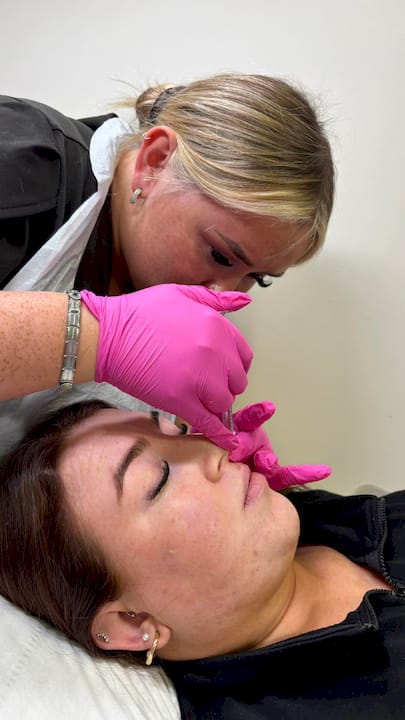
The balance between theory and practical work varies by provider. The best programmes weight heavily towards hands-on sessions with real clients, suc as ours, not just mannequins or fellow students. Assessment typically includes written exams, practical demonstrations, and a portfolio of client treatments.
Pro Tip: When comparing programs, ask specifically about live model practice and what post-course support looks like. These two factors separate genuinely career-ready training from a certificate that looks good on paper.
Next steps with personalised Irish aesthetics training
If this guide has helped you identify which pathway fits your background, the next step is finding training that matches your goals rather than forcing you into a one-size-fits-all classroom.
At Pro Training Aesthetics Academy, we offer one-to-one, hands-on training across Ireland for both beauty professionals and medical practitioners. Whether you want to explore training options in advanced skin treatments or you are a nurse or doctor ready to train in dermal fillers and skin boosters, our programs are built around your schedule, your location, and your career goals. You can see real student outcomes from practitioners who have trained with us and browse our clinical course photos to get a genuine feel for the quality of training we deliver. Personalized, accredited, and practical: that is what sets us apart.
Frequently asked questions
What qualifications do you need to start an aesthetics diploma in Ireland?
When it comes to training with us, the answer is no experience is needed to begin a recognised aesthetics diploma.
Can non-medics in Ireland train to do Botox or dermal fillers?
Yes in all areas except Botox. Botox injectables are restricted to registered doctors and dentists in Ireland; they are not covered in beauty therapy diplomas regardless of the level of training.
How long does it take to get an aesthetics diploma in Ireland?
Standard aesthetics CPD courses that we offer for injectables take one to two days practical training, plus your homestudy.